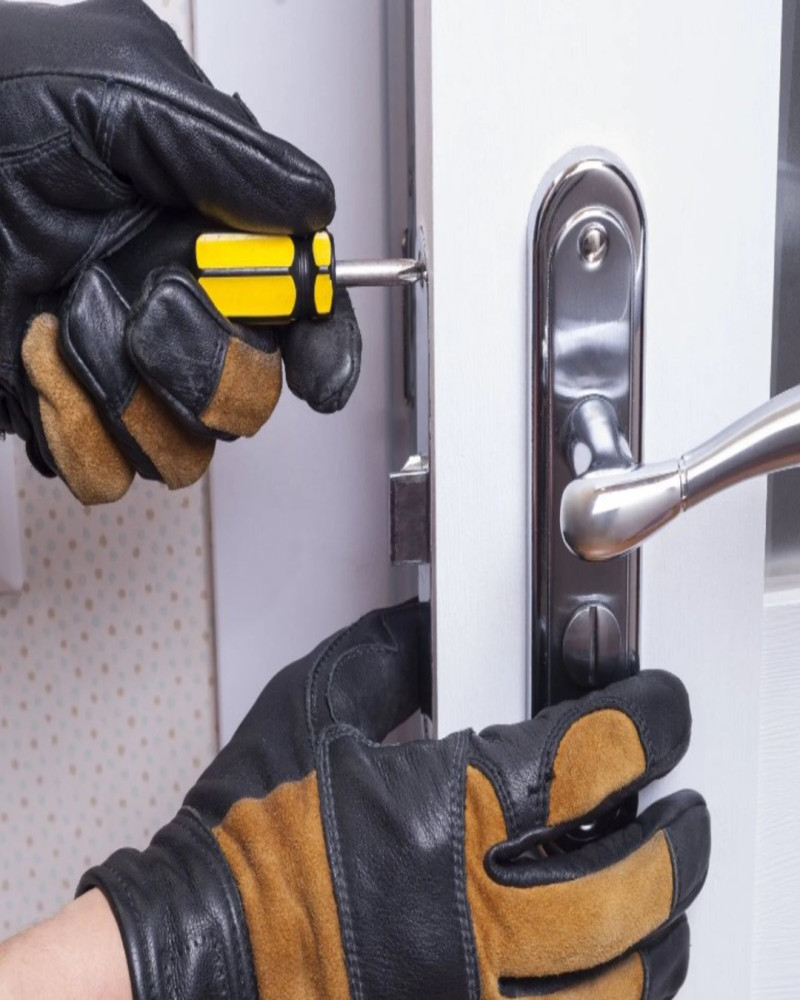
The Different Types of Locks and Their Uses
Locks come in many forms, each designed for specific levels of security and types of applications. Understanding the most common lock types helps you choose the right one for doors, gates, cabinets, and other areas you want to protect.
1. Deadbolt Locks
Deadbolts are among the most secure locks for exterior doors.
Types:
Single-cylinder deadbolt: Key on the outside, thumb turn on the inside.
Double-cylinder deadbolt: Key required on both sides (adds security but not ideal for emergency exits).
Lockable thumb-turn deadbolt: Combines security with convenience.
Best Uses:
✔️ Exterior home doors
✔️ Apartment entry doors
✔️ Garage-to-house doors
2. Knob Locks
These are commonly found on interior doors but shouldn’t be used alone on exterior doors—the lock cylinder can be easily broken.
Best Uses:
✔️ Bedroom doors
✔️ Bathroom doors
✔️ Interior privacy needs
3. Lever Handle Locks
Lever handle locks are easier to operate than knob locks, making them accessible for people with limited hand mobility.
Best Uses:
✔️ Commercial buildings
✔️ Interior office doors
✔️ Multi-use doors requiring ADA compliance
4. Padlocks
Portable and versatile, padlocks come in key-operated or combination styles.
Best Uses:
✔️ Lockers and gym bags
✔️ Gates and sheds
✔️ Storage units
✔️ Toolboxes
Many modern padlocks are weather-resistant or feature high-security shackle designs to prevent cutting.
5. Cam Locks
Common in furniture and small enclosures, cam locks turn a metal “cam” to secure doors or drawers.
Best Uses:
✔️ Cabinets
✔️ Mailboxes
✔️ Filing cabinets
✔️ Vending machines
6. Mortise Locks
Mortise locks are durable, secure locks installed within a pocket (mortise) in the door. They often combine a latch and deadbolt in one mechanism.
Best Uses:
✔️ Commercial buildings
✔️ Older homes with traditional door designs
✔️ High-traffic entry doors
7. Smart Locks
Smart locks use digital authentication rather than (or in addition to) physical keys.
Types include:
Keypad locks
Bluetooth locks
Wi-Fi–enabled locks
Biometric (fingerprint) locks
Best Uses:
✔️ Tech-friendly homes
✔️ Rental or Airbnb properties
✔️ Households wanting keyless entry
8. Keyless Entry / Electronic Locks
These locks may have keypads, card scanners, or fobs. They allow access without a physical key.
Best Uses:
✔️ Offices and commercial buildings
✔️ Apartment complexes
✔️ Garages and side doors
9. Chain Locks and Swing-Bar Locks
These are supplemental security devices often paired with another lock.
Best Uses:
✔️ Front doors (adds viewing and partial opening)
✔️ Apartments
✔️ Hotels
10. Rim and Surface-Mounted Locks
These locks mount directly on the interior surface of the door, making them easier to install.
Best Uses:
✔️ Older homes with thinner doors
✔️ Secondary security on entry doors
✔️ Rental units
11. Cylinder Locks (Euro or Key-in-Knob)
These locks use a removable cylinder for easy rekeying or replacement.
Best Uses:
✔️ Modern residential and commercial doors
✔️ Entry doors with multipoint locking systems
✔️ Patio doors
12. Magnetic Locks (Maglocks)
Electromagnetic locks use a strong magnetic force to secure doors.
Best Uses:
✔️ Offices and commercial buildings
✔️ Access-controlled areas
✔️ Emergency exits (fail-safe designs)
Choosing the Right Lock
Consider these factors when selecting a lock:
Security level needed
Location (interior vs. exterior)
Weather exposure
Ease of use
Budget
Aesthetics
Smart or traditional preference
For exterior entry doors, a high-quality deadbolt paired with a solid door handle lock is generally the best choice.
If you’d like, I can also create:
✔️ A comparison chart of lock types
✔️ A home security upgrade checklist
✔️ A shorter version for a website or brochure