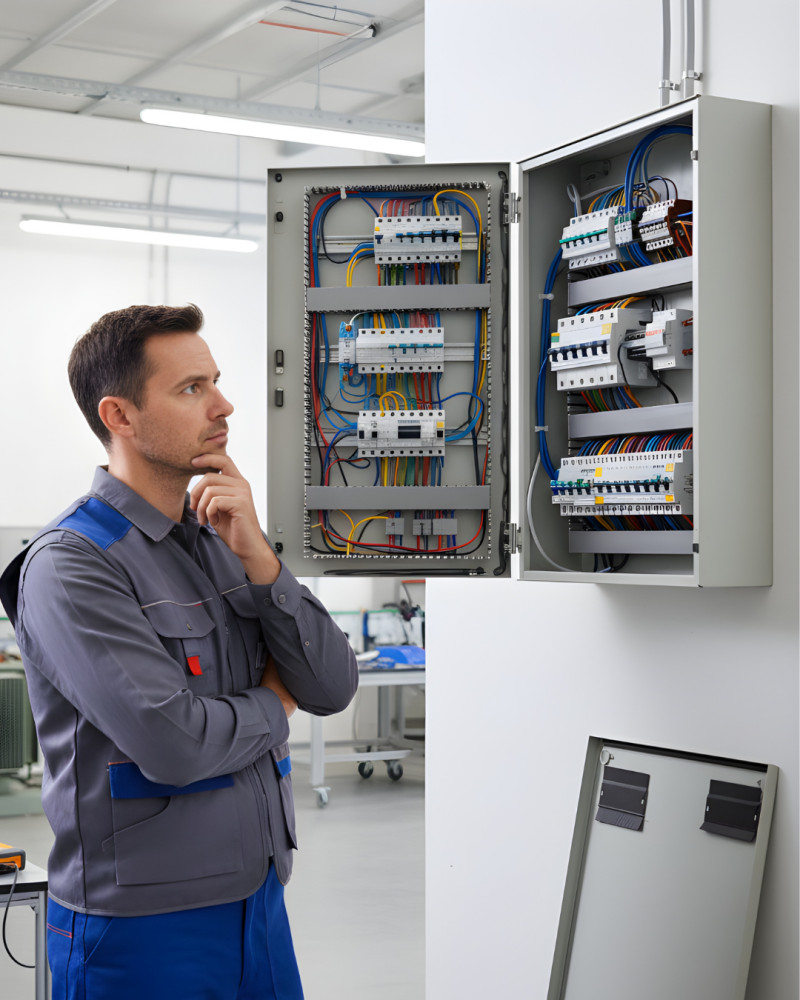
Understanding Electrical Codes and Regulations: Why Compliance Is Crucial
Electrical systems are a critical part of any home or commercial building. To ensure safety, reliability, and efficiency, electrical work must follow established codes and regulations. Understanding electrical codes—and why compliance matters—is essential for homeowners, contractors, and business owners alike. Ignoring these rules can lead to serious safety risks, legal penalties, and costly repairs.
What Are Electrical Codes and Regulations?
Electrical codes are standardized rules that govern how electrical systems are designed, installed, and maintained. These codes are developed to protect people and property from electrical hazards such as shocks, fires, and system failures.
Examples include:
National Electrical Code (NEC) in the United States
IEC standards internationally
Local and regional electrical regulations
While codes may vary by location, they all aim to ensure electrical safety and performance.
Why Electrical Code Compliance Is Crucial
1. Protects Lives and Property
Electrical code violations significantly increase the risk of:
Electrical fires
Electric shocks or electrocution
Equipment damage
Proper wiring, grounding, and circuit protection reduce these risks and create a safer environment.
2. Ensures Legal and Regulatory Compliance
Electrical work that doesn’t meet code requirements may result in:
Fines and penalties
Failed inspections
Project delays
Legal liability in case of accidents
Compliance ensures your project passes inspections and meets legal obligations.
3. Prevents Costly Repairs and Rework
Non-compliant electrical installations often need to be redone to meet code standards, leading to unnecessary expenses. Following codes from the start saves time and money in the long run.
4. Supports Insurance Coverage
Insurance companies often require electrical systems to be code-compliant. If damage occurs due to faulty or non-compliant wiring, insurance claims may be denied.
5. Improves System Performance and Reliability
Electrical codes are designed to promote:
Proper load distribution
Efficient energy use
Long-lasting system components
This helps prevent power outages, tripped breakers, and equipment failures.
Common Electrical Code Requirements
While specifics vary, most electrical codes address:
Proper wire sizing and insulation
Circuit breaker and fuse protection
Grounding and bonding
GFCI and AFCI protection
Safe placement of outlets and switches
Staying updated on current codes is essential, as regulations are periodically revised.
Who Is Responsible for Compliance?
Licensed electricians must follow applicable codes during installation and repairs
Property owners are responsible for maintaining safe electrical systems
Contractors and builders must ensure all work passes inspection
Hiring qualified professionals helps ensure compliance at every stage.
The Risks of Ignoring Electrical Codes
Failing to follow electrical regulations can lead to:
Increased fire hazards
Equipment malfunctions
Injury or loss of life
Legal action or fines
Reduced property value
These risks far outweigh the effort required to comply with codes.
How to Ensure Electrical Code Compliance
Hire licensed and experienced electricians
Obtain required permits
Schedule inspections
Stay informed about local regulations
Avoid DIY electrical work beyond basic tasks
Professional oversight is key to maintaining safety and compliance.
Final Thoughts
Electrical codes and regulations exist to protect people, property, and infrastructure. Compliance is not optional—it’s essential. By understanding and following electrical codes, you ensure safer buildings, reliable electrical systems, and peace of mind.
Whether you’re renovating, building, or maintaining a property, prioritizing electrical code compliance is a smart and responsible decision.